
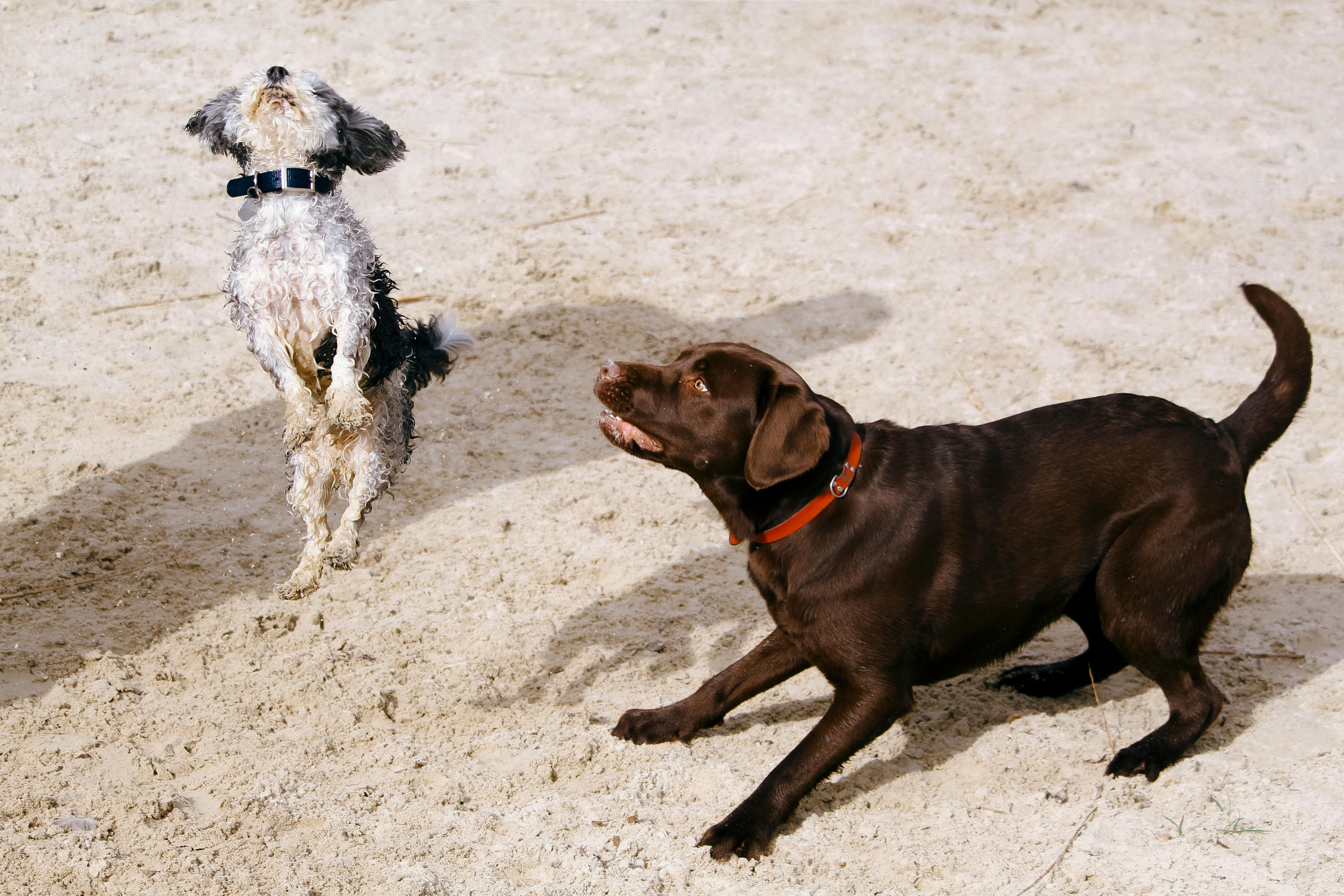
Puppy play groups offer a structured environment where young dogs can interact safely with peers while owners gain valuable insights into canine behavior. By participating in regular sessions, both puppies and their guardians experience a range of developmental, physical, and social advantages that support a well-balanced growth trajectory. This article explores the key benefits of joining a puppy play group and provides practical guidance for making the most of these gatherings.
Social Development for Puppies
Early socialization is critical for a puppy’s emotional health. In a controlled play group, puppies learn to read body language, share space, and respond appropriately to various stimuli. These experiences reduce fear-based reactions later in life and promote confidence.
Key social skills acquired
- Understanding canine signals such as play bows, growls, and tail wagging.
- Learning to tolerate the presence of other dogs without aggression.
- Developing appropriate bite inhibition through supervised play.
For owners seeking deeper knowledge about socialization techniques, Read more about this topic.
Physical Health Benefits
Regular physical activity is essential for a puppy’s musculoskeletal development. Play groups provide a safe arena for exercise, helping to build strength, coordination, and endurance while preventing obesity.
Health advantages include
- Improved cardiovascular fitness through active play.
- Strengthened joints and muscles from varied movements.
- Enhanced immune function as stress levels decrease in a supportive setting.
If you want a comprehensive overview of how structured play supports health, Learn more in this detailed guide.
Training and Behavioral Improvements
Puppy play groups double as informal training sessions. Observing other dogs and receiving feedback from experienced facilitators can accelerate learning curves for basic commands and good manners.
Typical behavioral gains
- Better leash walking as puppies become accustomed to distractions.
- Reduced barking and jumping due to exposure to calm group dynamics.
- Enhanced recall ability when owners practice “come” commands in a lively environment.
For a deeper dive into training strategies used during group sessions, Explore further insights here.
Community and Owner Support
Beyond the puppies, owners benefit from the sense of community that forms around regular meet-ups. Sharing experiences, challenges, and successes with fellow dog lovers creates a support network that extends beyond the play area.
Advantages for owners
- Opportunity to exchange tips on nutrition, grooming, and health care.
- Access to a pool of knowledge about local veterinary resources.
- Building lasting friendships with people who share similar lifestyle interests.
To discover additional resources that complement group participation, Find additional information here.
Choosing the Right Play Group
Selecting a reputable puppy play group involves evaluating several factors to ensure safety and alignment with your puppy’s needs. Consider the following checklist before committing to a regular schedule.
- Facilitator expertise: Look for leaders with certified canine behavior or training backgrounds.
- Group size: Smaller groups (5-8 puppies) allow for more focused supervision.
- Venue cleanliness: A well-maintained space reduces the risk of disease transmission.
- Health requirements: Verify that all participants have up-to-date vaccinations.
For an example of a well-structured program that meets these criteria, Read more about this topic.
Conclusion
Joining a puppy play group offers a multifaceted set of benefits that support a dog’s emotional, physical, and behavioral development while fostering a supportive community for owners. By prioritizing safe, structured interaction and leveraging the expertise available in these groups, puppies gain the confidence and skills needed for a happy, well-adjusted adult life. Regular participation, combined with attentive observation and consistent reinforcement of learned behaviors, creates a foundation for lifelong health and companionship.
