
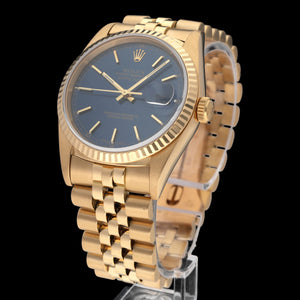
Luxury timepieces for women have transcended mere functionality to become symbols of refined taste, meticulous craftsmanship, and timeless style. From the delicate sweep of a second hand to the subtle gleam of a polished case, each element is designed to complement the wearer’s personality while honoring centuries-old horological traditions. This article explores the defining characteristics of ladies’ luxury watches, offering insight into design nuances, material choices, and practical considerations for discerning collectors.
Historical Evolution of Women’s Luxury Timepieces
The journey of women’s watches mirrors broader cultural shifts. Early 20th-century pocket watches gave way to wrist-mounted models during World War I, when practicality demanded hands-free timekeeping. By the 1950s, iconic brands introduced elegant, smaller-diameter cases that appealed to fashion-forward women. The 1990s marked a turning point as high-end manufacturers began integrating sophisticated movements into feminine designs, proving that size does not limit complexity.
- 1920s – Emergence of the first wristwatch specifically marketed to women.
- 1950s – Introduction of iconic models with slender profiles and decorative dials.
- 1990s – Fusion of haute horology with delicate aesthetics, featuring automatic and chronograph functions.
- 2000s onward – Emphasis on sustainability, limited editions, and personalized engravings.
For a deeper dive into the milestones that shaped modern collections, Discover expert strategies here.
Key Design Elements That Define Elegance
Case Size and Shape
While traditional men’s watches often exceed 40″?mm, ladies’ luxury watches typically range from 28″?mm to 36″?mm. The choice of diameter influences both visual presence and comfort on the wrist. Rounded or oval cases can soften a look, whereas rectangular or tonneau shapes add a contemporary edge.
Dial Aesthetics
The dial is the canvas for artistic expression. Common features include:
- Mother-of-pearl or enamel backgrounds that catch light subtly.
- Diamond or gemstone hour markers for a touch of sparkle.
- Minimalist typography that balances readability with sophistication.
Bracelet versus Strap
Materials range from polished stainless steel and 18-carat gold to high-grade leather and exotic skins. A metal bracelet often conveys a classic luxury feel, while a leather strap can introduce warmth and versatility. Interchangeable strap systems are increasingly popular, allowing owners to adapt the watch to different occasions.
To explore a curated selection of designs that exemplify these principles, Learn about our tailored solutions.
Materials and Craftsmanship: The Heart of Luxury
Premium watches are distinguished by the quality of their components. The following materials are commonly employed:
- Precious Metals: 18K yellow, white, or rose gold offers a luminous finish and resists tarnish.
- High-Grade Stainless Steel: Often used for its durability and hypoallergenic properties.
- Sapphire Crystal: Provides scratch-resistance and a clear view of the movement.
- Ceramic: Lightweight, virtually unbreakable, and available in a spectrum of colors.
The movement, whether mechanical, automatic, or quartz, determines precision and service intervals. Mechanical calibers are prized for their intricate engineering, while quartz offers low-maintenance accuracy. Many luxury manufacturers finish movements by hand, polishing each component to a mirror shine, a testament to the brand’s dedication to artistry.
For technical insights into movement selection and maintenance, Explore advanced guides and tips.
Choosing the Right Watch for Different Lifestyles
Selecting a ladies’ luxury watch involves aligning personal style with functional needs. Consider the following scenarios:
- Business Attire: Opt for a slim, understated case with a polished metal bracelet; a clean dial without excessive embellishment projects professionalism.
- Evening Events: A watch featuring diamond hour markers or a mother-of-pearl dial adds a subtle sparkle that complements formal gowns.
- Active Lifestyle: Choose a robust stainless-steel case with a water-resistant rating of at least 50″?m and a comfortable leather or rubber strap.
- Travel: A dual-time zone function or a world-timer complication ensures punctuality across continents.
Guidance on matching watch features to daily routines can be found by Find out more about this approach.
Caring for a Luxury Timepiece
Preserving the integrity of a high-end watch extends its lifespan and maintains value. Essential care practices include:
- Regular Servicing: Mechanical movements typically require a full service every 3-5″?years to clean, lubricate, and recalibrate the calibre.
- Cleaning the Case and Bracelet: Use a soft microfiber cloth; for metal bracelets, a gentle brush with mild soap can remove buildup.
- Storage: Keep the watch in a padded box or watch winder when not in use to protect against scratches and maintain winding tension.
- Avoiding Extreme Conditions: Limit exposure to strong magnetic fields, sudden temperature changes, and high-impact activities.
Professional servicing guidelines and recommended service centers are detailed at Discover expert strategies here.
Conclusion
The allure of ladies’ luxury watches lies in their ability to marry form and function, delivering precise timekeeping wrapped in an aesthetic that reflects personal elegance. By understanding historical context, design nuances, material excellence, and practical considerations, collectors and enthusiasts can make informed decisions that celebrate both heritage and contemporary style. For those seeking further inspiration or ready to explore curated collections, the dedicated resource at Explore advanced guides and tips. offers a gateway to the world of refined horology.
