
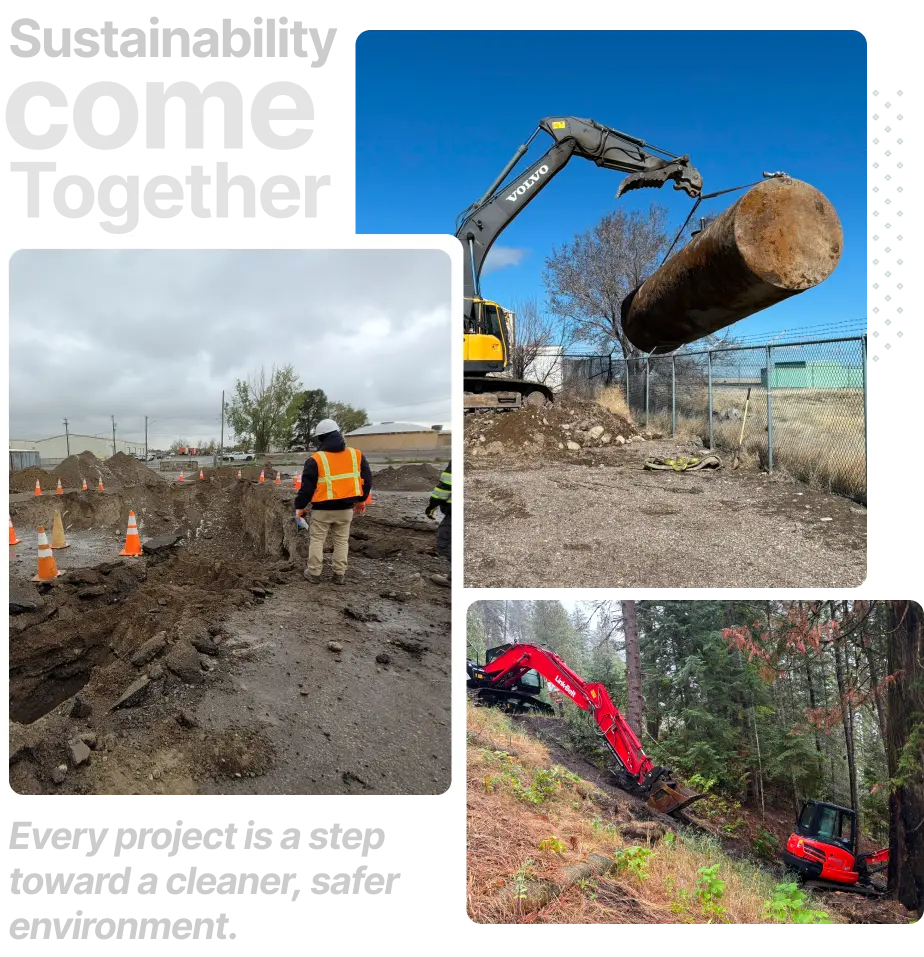
In today”?s rapidly changing world, environmental sustainability is no longer a luxury but a necessity. As industries and governments recognize the importance of preserving natural resources and minimizing ecological footprints, the role of environmental consulting services has become more crucial than ever. These services offer expert insight into sustainable practices, regulatory compliance, and environmental impact assessments, ensuring that businesses and communities can thrive without compromising the health of our planet.
Understanding Environmental Consulting
Environmental consulting involves the provision of expert advice on various environmental issues. These professionals are tasked with assessing, analyzing, and managing environmental risks, as well as guiding organizations towards sustainable practices. The scope of environmental consulting is broad, encompassing various aspects such as:
- Environmental Impact Assessments (EIA)
- Pollution Control
- Waste Management
- Natural Resource Management
- Sustainability Reporting
Each of these areas requires specialized knowledge and expertise, making environmental consultants invaluable in promoting long-term ecological balance.
The Role of Environmental Consultants in Regulatory Compliance
One of the primary functions of environmental consultants is to ensure that organizations comply with environmental laws and regulations. Non-compliance can lead to severe penalties and damage to reputation, hence the need for meticulous oversight. Consultants assist in:
- Understanding complex environmental legislation
- Developing compliance strategies
- Conducting audits and inspections
- Providing training and education
For more detailed insights on regulatory compliance, read more about this topic.
Sustainability and Environmental Consulting
Promoting Sustainable Practices
Environmental consultants play a pivotal role in promoting sustainable practices. They help organizations to reduce their carbon footprint, conserve resources, and implement eco-friendly technologies. Some of the strategies include:
- Energy efficiency audits and recommendations
- Renewable energy integration
- Water conservation techniques
- Green building certifications
These practices not only benefit the environment but also lead to cost savings and enhanced corporate reputation. Learn more in this detailed guide.
Conducting Environmental Impact Assessments
Before any project is undertaken, it is crucial to understand its potential environmental impact. Environmental consultants are responsible for conducting Environmental Impact Assessments (EIAs), which evaluate the consequences of proposed projects on the environment. This process involves:
- Identifying potential environmental risks
- Proposing mitigation strategies
- Engaging with stakeholders
- Preparing comprehensive reports
These assessments are crucial for informed decision-making and ensuring that projects are both economically viable and environmentally sustainable. Explore further insights here.
The Economic Benefits of Environmental Consulting
Investing in environmental consulting services can yield significant economic benefits. By adopting sustainable practices and ensuring regulatory compliance, organizations can avoid costly fines, reduce operational costs, and enhance their brand image. Additionally, sustainable businesses often attract more customers and investors who are increasingly conscious of environmental issues. Find additional information here.
Conclusion
In conclusion, environmental consulting services are essential in guiding organizations towards a more sustainable future. With their extensive expertise and practical solutions, environmental consultants help bridge the gap between economic development and environmental conservation. As the world continues to face environmental challenges, the demand for these services will undoubtedly grow, making them an indispensable ally in the journey towards sustainability.
