
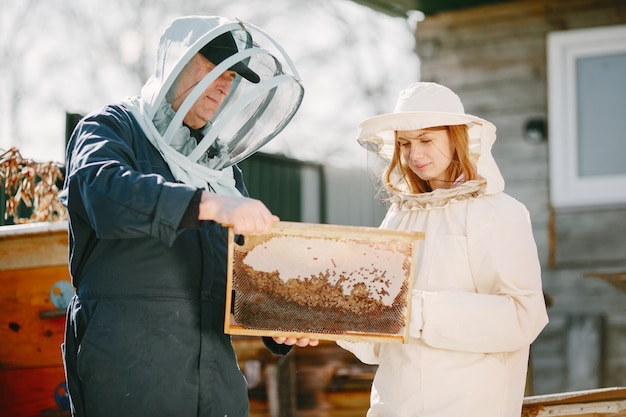
Wasp hives can be a nuisance and pose potential risks to health and safety. Their removal requires an informed approach to ensure both personal safety and environmental preservation. Whether the hive is located near a residential area or a commercial space, understanding the proper removal techniques is crucial. This article aims to provide a comprehensive guide on safe wasp hive removal, highlighting the importance of professional assistance and offering practical insights into the process.
The Importance of Safe Wasp Hive Removal
Wasps can be aggressive, especially when their nests are disturbed. The importance of safe removal cannot be overstated, as improper handling can lead to multiple stings and potential allergic reactions. Additionally, wasps play a crucial role in the ecosystem by pollinating plants and controlling pest populations. Therefore, their removal should be conducted with care.
Health and Safety Concerns
- Wasp stings can cause severe allergic reactions, including anaphylaxis in sensitive individuals.
- Multiple stings can be life-threatening, particularly to children and the elderly.
- Ensuring safety gear and appropriate tools is essential during removal.
Environmental Considerations
- Wasps contribute to natural pest control, reducing the need for chemical pesticides.
- Preserving biodiversity by carefully relocating rather than exterminating hives.
- Minimizing environmental impact by using eco-friendly removal methods.
Professional Wasp Hive Removal Services
Professional services employ trained personnel equipped with the knowledge and tools necessary for safe wasp hive removal. These experts assess the situation, determine the best course of action, and execute the removal with precision.
What to Expect from Professional Removal
- Assessment of the wasp species and hive location.
- Implementation of specialized removal techniques.
- Post-removal inspection to ensure all remnants are cleared.
For those seeking expert guidance, discover expert strategies here to ensure effective and safe wasp hive removal.
DIY Wasp Hive Removal: Risks and Precautions
While some may consider DIY removal, it’s important to recognize the associated risks and necessary precautions. Without proper experience and tools, attempting to remove a wasp hive can be dangerous.
Potential Risks
- Increased risk of getting stung due to improper handling.
- Possible escalation of the problem if the hive is not completely removed.
Precautionary Measures
- Wear protective clothing to prevent stings.
- Use smoke or appropriate insecticides to calm the wasps.
- Ensure there is an escape plan in case the wasps become aggressive.
For those uncertain about embarking on a DIY project, find out more about this approach to understand the benefits of professional intervention.
Choosing the Right Service Provider
When selecting a service provider for wasp hive removal, consider several factors to ensure you receive effective and safe service.
Key Considerations
- Certification and experience of the service provider.
- Availability of eco-friendly removal options.
- Customer reviews and testimonials.
Researching and selecting a reputable provider is crucial. Learn about our tailored solutions for a comprehensive understanding of what to look for in a professional service.
Conclusion
Safe wasp hive removal is essential for maintaining safety and ecological balance. Whether opting for professional services or considering a DIY approach, understanding the risks and methods involved is key. For those in need of expert assistance, explore advanced guides and tips to ensure a safe and efficient removal process.
