
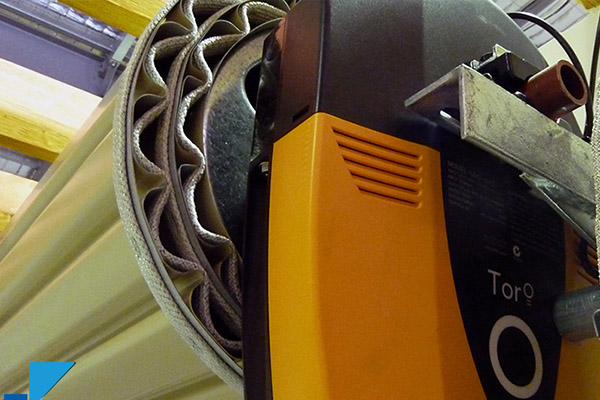
Panel lift doors are a popular solution for residential and commercial properties in the Geelong area because of their space-saving design and smooth operation. Understanding the components that make up a panel lift door system is essential for proper maintenance, troubleshooting, and eventual replacement. This guide provides a detailed overview of each part, explains how the elements work together, and offers practical tips for keeping the system in optimal condition.
Core Components of a Panel Lift Door
1. Door Panels
- Typically constructed from lightweight aluminum or steel, panels slide vertically within a guided track.
- Each panel is hinged at the top, allowing it to fold neatly as the door opens.
- Weather-stripping is often attached to the edges to improve insulation and reduce noise.
2. Guide Rails and Tracks
- Vertical rails are mounted on either side of the door opening, providing a pathway for the panels.
- Tracks must be perfectly aligned to prevent binding and ensure smooth motion.
- Regular inspection for debris or bent sections helps maintain consistent operation.
3. Lifting Mechanism
- Most panel lift doors use a torsion spring or counter-weight system to balance the weight of the panels.
- The mechanism is connected to a drive unit, often an electric motor, that initiates opening and closing.
- Proper tensioning of springs is critical; incorrect tension can cause premature wear or safety hazards.
4. Drive Unit (Motor)
- Electric motors are typically concealed within a cabinet mounted near the door frame.
- They operate at low voltage for safety and are equipped with overload protection.
- Routine lubrication of moving parts and checking electrical connections extend motor life.
5. Control System
- Includes wall-mounted switches, remote controls, and sometimes smartphone integration.
- Safety sensors, such as photo-electric eyes, stop the door if an obstruction is detected.
- Programming options may allow for adjustable opening speeds and automatic closing timers.
Maintenance Best Practices
- Lubrication: Apply a silicone-based lubricant to hinges, tracks, and moving metal parts every 6-12 months.
- Inspection: Check for rust, wear, or loose bolts during each seasonal change.
- Cleaning: Remove dust and debris from tracks and sensor lenses to prevent operational hiccups.
- Safety Checks: Test the reversal function of safety sensors regularly; a malfunction can pose a risk to users.
- Professional Service: Schedule a qualified technician for spring tension adjustments and motor diagnostics.
For a deeper dive into routine upkeep, Read more about this topic.
Common Issues and Troubleshooting
- Door Won’t Open: Verify power supply to the motor and ensure the remote control batteries are fresh.
- Uneven Movement: Inspect guide rails for alignment; uneven tracks often cause a panel to lag.
- Excessive Noise: Check for worn bearings in the drive unit and re-apply lubricant to hinges.
- Safety Sensor Failure: Clean sensor lenses and confirm they are unobstructed; recalibrate if necessary.
- Spring Fatigue: Look for visible gaps or loss of tension; replace springs only with professional assistance.
When detailed troubleshooting steps are needed, Learn more in this detailed guide.
Replacement Considerations
Choosing the Right Materials
- Aluminum panels offer corrosion resistance and a lightweight profile.
- Steel provides greater strength but may require additional protective coating.
- Consider insulated panels for improved energy efficiency in climate-sensitive regions.
Compatibility with Existing Systems
- Ensure new panels match the dimensions of existing tracks and the lifting mechanism.
- Verify that the motor’s torque capacity can handle any weight differences.
- Check that control system firmware supports the updated hardware.
To explore material options and compatibility guidelines, Explore further insights here.
Safety Regulations and Standards
- Australian Standards AS 3533.4 outlines safety requirements for door operators, including force limits and sensor placement.
- Regular compliance checks help avoid legal liabilities and ensure occupant safety.
- Documentation of maintenance and inspections is recommended for audit purposes.
Additional regulatory information can be found by Find additional information here.
Conclusion
Understanding the individual parts of a panel lift door system, from the panels and guide rails to the motor and safety sensors, empowers property owners and facilities managers in Geelong to maintain reliable, safe, and efficient operation. Regular maintenance, timely troubleshooting, and informed replacement decisions extend the lifespan of the door while complying with local safety standards. By applying the guidelines outlined in this article, stakeholders can minimize downtime and ensure that panel lift doors continue to serve their intended purpose effectively.
