
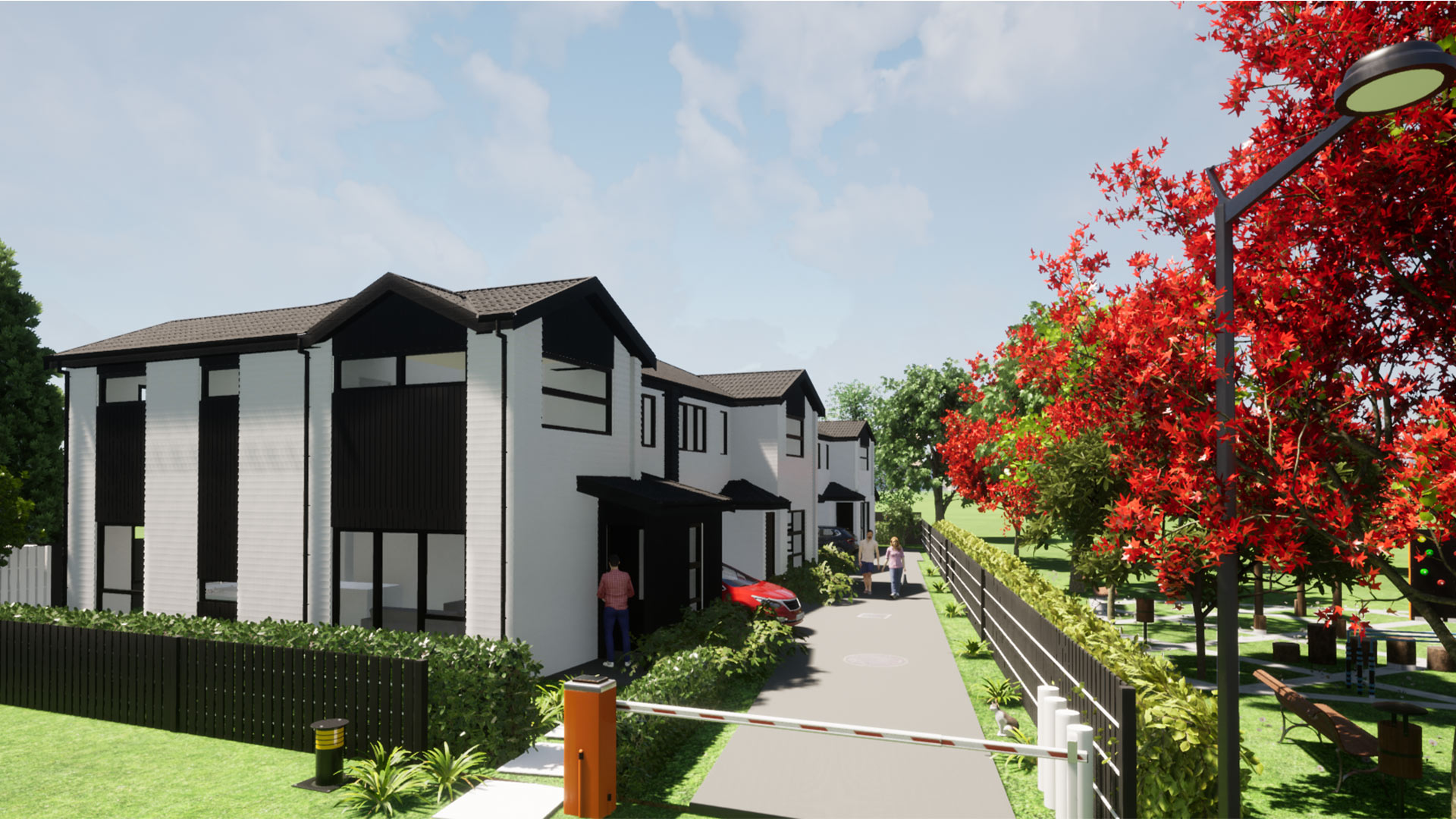
Designing a dream home is a significant milestone in life, reflecting personal tastes, lifestyle needs, and future aspirations. The process, while exciting, can be daunting without the right guidance. Engaging the services of a proficient house design architect can transform this journey into a seamless and enjoyable experience. From conceptualization to execution, a skilled architect ensures that the home reflects both function and aesthetic appeal. Understanding the value of a well-planned home can make all the difference in achieving a living space that is both practical and inspiring.
The Role of a House Design Architect
A house design architect plays a pivotal role in the home-building process, offering expertise that goes beyond mere design. They serve as visionaries, planners, and problem-solvers, ensuring every aspect of the home is thoughtfully considered.
- Vision Creation: Architects help articulate a clear vision for the home, aligning design elements with the homeowner’s desires and lifestyle.
- Technical Expertise: They bring a wealth of technical knowledge, ensuring that all structural and functional aspects meet high standards of safety and efficiency.
- Budget Management: Architects can devise plans that maximize value while adhering to budget constraints, avoiding costly mistakes and oversights.
- Regulatory Compliance: Navigating building codes and regulations is a complex task made simpler with an architect’s guidance.
Find out more about this approach by visiting this resource.
Key Considerations in Designing Your Dream Home
When embarking on the journey of designing a home, several critical factors need careful consideration to ensure the end result is both functional and visually appealing.
Location and Orientation
The location and orientation of your home are crucial in maximizing natural light, views, and energy efficiency. A seasoned architect will assess the site conditions and suggest optimal layouts.
Space Planning
Effective space planning is essential for a comfortable and convenient living environment. Considerations include:
- Flow and Functionality: Ensuring seamless movement between spaces.
- Room Allocation: Balancing the number of bedrooms, bathrooms, and living areas with lifestyle needs.
- Future-proofing: Designing flexible spaces that can adapt to changing family dynamics over time.
Explore advanced guides and tips on space planning here.
Sustainability and Innovation
Incorporating sustainable design principles can significantly enhance the home’s value and reduce its environmental impact. Consider the following approaches:
- Energy Efficiency: Integrating energy-efficient systems, such as solar panels and high-performance insulation.
- Eco-friendly Materials: Utilizing sustainable materials that are durable and have a low environmental footprint.
- Smart Home Technology: Implementing innovative technologies for increased convenience and energy management.
Learn about tailored solutions for sustainable homes here.
Collaborative Design Process
The most successful home designs emerge from a collaborative process between the homeowner and the architect. Effective communication ensures the final design aligns with personal tastes and practical needs.
- Initial Consultation: This stage involves discussing the homeowner’s vision, lifestyle, and budget to set a clear direction for the project.
- Design Development: Architects create preliminary sketches and models to visualize the project, offering opportunities for feedback and refinement.
- Finalization and Execution: Once the design is agreed upon, the architect oversees the construction phase, ensuring the project stays on track and within budget.
Discover expert strategies for effective collaboration here.
Partnering with a house design architect can turn the dream of a perfect home into reality. By leveraging their expertise, homeowners can enjoy a personalized, high-quality, and enduring living space. To explore more about the role of architects in home design and to gain further insights, one can visit this site.
