
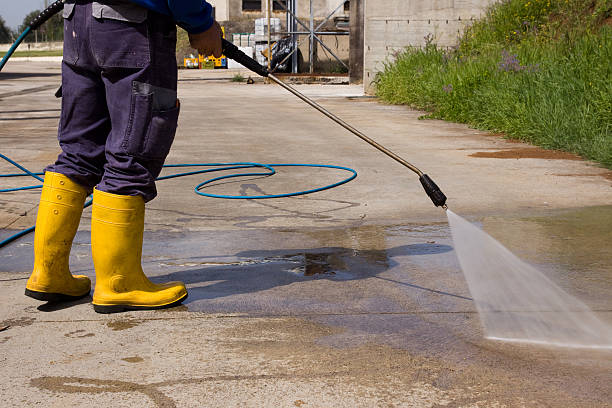
A well-maintained fence not only defines property boundaries but also enhances curb appeal and protects the underlying structure from the elements. Over time, exposure to rain, wind, pollen, and mold can cause grime, algae, and stubborn stains to accumulate. Pressure cleaning offers a fast, efficient solution that restores the fence’s original appearance while extending its lifespan. This guide explores the essential steps, safety measures, and best practices for achieving professional-grade results on wooden, vinyl, and metal fences.
Why Pressure Cleaning Matters
Regular cleaning removes contaminants that accelerate decay. When dirt and organic growth are left unchecked, they retain moisture, leading to rot, rust, and structural weakening. By eliminating these threats, pressure cleaning helps maintain the fence’s integrity and reduces long-term repair costs.
Key Benefits
- Enhanced Appearance: Restores colour and texture, boosting property value.
- Improved Durability: Removes corrosive agents that cause wood rot or metal corrosion.
- Healthier Environment: Eliminates mold spores and allergens that can affect nearby occupants.
- Time Efficiency: Achieves deep cleaning in minutes compared with manual scrubbing.
Preparing the Fence for Pressure Cleaning
Proper preparation ensures the cleaning process is both safe and effective. Skipping these steps can lead to surface damage or uneven results.
Step-by-Step Checklist
- Inspect the fence for loose boards, rusted nails, or damaged sections; repair before cleaning.
- Clear the surrounding area of furniture, plants, and debris to prevent accidental spray.
- Cover nearby electrical outlets and lighting fixtures with waterproof sheeting.
- Apply a biodegradable cleaning solution suitable for the fence material; allow it to dwell for 5-10 minutes.
- Rinse thoroughly with low-pressure water to avoid streaking.
Choosing the Correct Pressure Settings
The effectiveness of a pressure wash depends on selecting the appropriate pressure (psi) and nozzle type for the fence material. Using too much pressure can gouge wood or strip paint, while too little may not remove stubborn grime.
- Wooden Fences: 500-800″?psi with a 25-degree nozzle; keep the spray angle shallow (15-30??) to avoid splintering.
- Vinyl Fences: 800-1200″?psi with a 15-degree nozzle; maintain a steady distance of 12-18 inches.
- Metal Fences: 1200-1500″?psi with a 0-degree (pinpoint) nozzle for rust spots, followed by a 25-degree nozzle for general cleaning.
For detailed guidelines on pressure settings, Discover expert strategies here.
Safety Precautions
Pressure cleaning generates high-velocity water streams that can cause injury or property damage if mishandled. Follow these safety measures to protect yourself and the surroundings.
- Wear safety goggles, non-slip boots, and protective gloves.
- Never point the spray at people, pets, or electrical components.
- Test the pressure on a small, inconspicuous area before full application.
- Use a sturdy ladder with a platform when cleaning elevated sections.
- Keep a fire extinguisher nearby if cleaning near flammable materials.
Post-Cleaning Maintenance
After the fence is clean, applying a protective coating can prolong the results and guard against future buildup.
Recommended Maintenance Routine
- Apply a water-repellent sealant to wooden fences within 24″?hours of cleaning.
- Use a UV-resistant paint or coating on metal fences to prevent rust.
- Schedule a light pressure wash annually to remove surface dust and pollen.
- Inspect for signs of wear after each season and address minor issues promptly.
For a deeper dive into maintenance best practices, Explore advanced guides and tips.
When to Hire Professional Services
While DIY pressure cleaning can be effective for routine upkeep, certain scenarios warrant professional expertise. Complex fence designs, extensive rust, or large-scale projects benefit from experienced technicians who bring specialized equipment and knowledge.
- Fences with intricate lattice work or decorative elements.
- Properties with strict HOA guidelines requiring certified cleaning methods.
- Situations where high-pressure equipment must be calibrated for historic or delicate materials.
To evaluate whether a professional approach is appropriate, Learn about our tailored solutions. Detailed assessments can identify hidden damage and recommend the most cost-effective treatment plan.
Conclusion
Fence pressure cleaning, when executed with the right equipment, settings, and safety protocols, restores visual appeal and safeguards structural health. By following the preparation checklist, selecting appropriate pressure levels, and adhering to post-cleaning maintenance, homeowners can enjoy a pristine fence for years to come. For those seeking specialized assistance or deeper technical insight, additional resources are readily available at trusted service sites. Find out more about this approach.
