
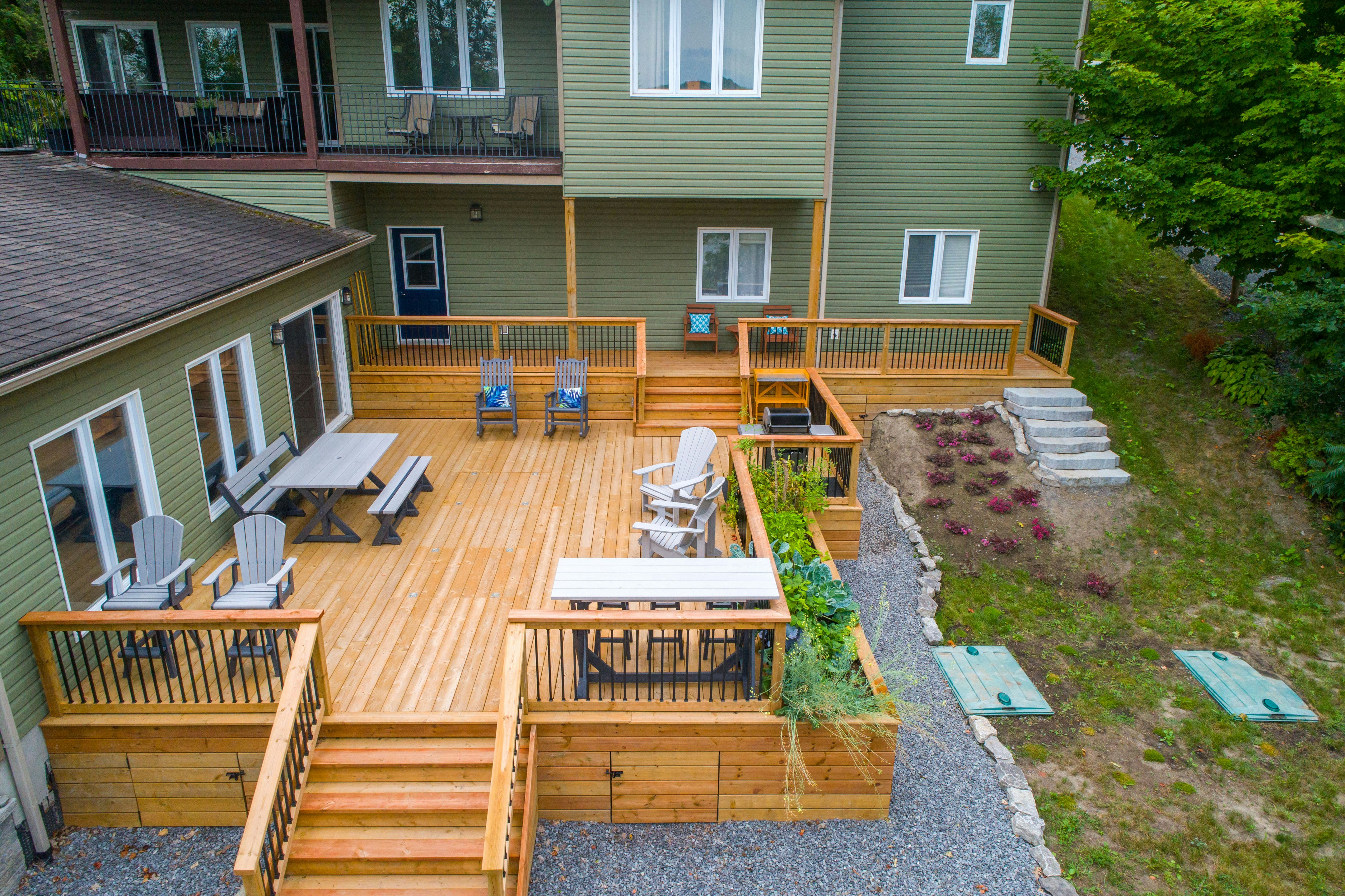
When considering a new deck for a property, understanding the range of decking prices is crucial for making an informed decision. The cost of decking can vary significantly based on materials, design complexity, and installation methods. To effectively plan for a deck that suits both aesthetic preferences and budget constraints, exploring diverse decking price ranges and identifying the factors that influence cost is essential.
Factors Influencing Decking Costs
Several factors contribute to the overall cost of a decking project. Understanding these can help in making informed decisions and achieving the best value for investment.
- Material Choice: The type of material selected has a significant impact on the cost. Options range from natural woods like cedar and redwood to composite materials that offer durability and low maintenance.
- Design Complexity: Intricate designs with custom shapes and multiple levels can increase labor and material costs.
- Size of the Deck: Naturally, larger decks require more materials and labor, leading to higher costs.
- Installation Method: The choice between DIY installation and hiring professional services can greatly affect the final cost.
- Site Preparation: The condition of the site, including grading and foundation work, can add to the expense.
For further insights into how these factors affect pricing, discover expert strategies here.
Exploring Different Decking Materials
Choosing the right material is pivotal in achieving both aesthetic appeal and functionality. Below are some popular options:
Natural Wood
Natural wood remains a classic choice for its beauty and authenticity. However, it requires regular maintenance to prevent decay and weather damage.
- Cedar: Known for its natural resistance to decay, cedar is a popular choice but can be pricier than other woods.
- Redwood: Offers rich color and durability but is often more expensive, especially for larger projects.
To better understand the benefits and costs of wood options, learn about our tailored solutions.
Composite Materials
Composite decking, made from a blend of wood fibers and plastic, offers a low-maintenance alternative to natural wood.
- Durability: Resistant to rot and insect damage, composites are ideal for long-term use.
- Cost-Effectiveness: While the initial cost may be higher, the reduced need for maintenance can lead to savings over time.
Explore more about composite decking through advanced guides and tips.
Professional Installation vs. DIY
Deciding between professional installation and a do-it-yourself approach can significantly impact the overall budget.
Professional Installation
Hiring professionals ensures expertise and quality workmanship, which can be crucial for complex designs and large projects. The cost, however, will be higher due to labor charges.
DIY Approach
A DIY approach can save money on labor costs, but it requires time, effort, and some level of expertise to ensure safety and durability.
To assess whether DIY is a viable option, find out more about this approach.
Conclusion: Balancing Cost and Value
When exploring decking price ranges, the key is to balance cost with the value obtained. By considering factors such as material choice, design, and installation methods, property owners can make informed decisions that align with both their budget and aesthetic goals. For comprehensive advice and tailored solutions, referring to expert guides can provide additional clarity and direction.
