
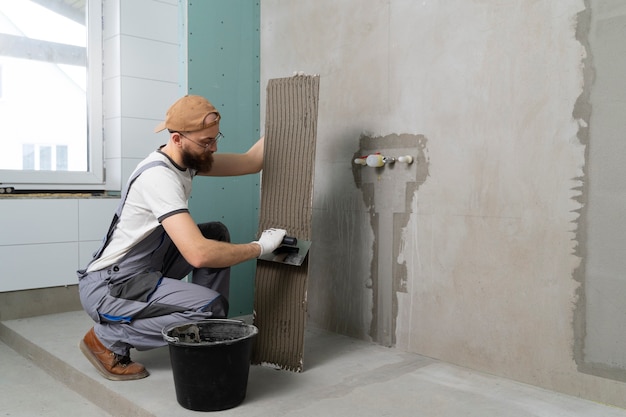
Foundation waterproofing and sealing are crucial for the longevity and stability of any residential or commercial building. As the foundation is the backbone of any structure, neglecting its protection can lead to severe damage and costly repairs. With the right knowledge and strategies, one can effectively safeguard a building from water-related issues. This article provides essential tips for foundation waterproofing and sealing, ensuring that your property remains secure and dry for years to come. Whether it’s understanding the basics or diving into advanced techniques, the right approach can make all the difference.
Understanding the Importance of Foundation Waterproofing
Waterproofing the foundation is not just about keeping water out. It ensures that the structural integrity of the building remains uncompromised by moisture, which can lead to mold growth, structural weakening, and even foundation failure.
- Prevention of Water Damage: Moisture can cause cracks and weaken the foundation.
- Protection Against Mold: A dry foundation prevents mold growth, safeguarding health.
- Increased Property Value: A well-maintained foundation enhances the property’s market value.
For those looking to delve deeper into these benefits, discover expert strategies here.
Signs That Your Foundation Needs Waterproofing
Identifying the need for waterproofing early can save significant time and money. Here are some common signs:
- Visible Cracks: Hairline cracks in walls or floors can indicate water intrusion.
- Musty Odors: A persistent musty smell often signals mold and dampness.
- Damp Spots: Moisture spots on walls or floors can hint at water seeping through.
- Efflorescence: White powdery substances on walls indicate mineral deposits left by evaporating water.
To understand more about these signs and how to address them, learn about our tailored solutions.
Effective Foundation Waterproofing Techniques
Implementing the right waterproofing techniques is essential. Here are a few proven methods:
Exterior Waterproofing
Exterior waterproofing involves applying a waterproof coating to the outside of the foundation, preventing water from penetrating the structure.
- Excavation: Digging around the foundation to apply a waterproof barrier.
- Membrane Application: Using a waterproof membrane to seal the foundation.
- Drainage Systems: Installing systems like French drains to redirect water away from the foundation.
Interior Waterproofing
Interior waterproofing is a cost-effective solution that manages water that enters the foundation.
- Sealants: Using sealants to cover cracks and prevent moisture ingress.
- Interior Drainage: Systems that capture water entering the basement and redirect it to a sump pump.
For a comprehensive guide on these techniques, explore advanced guides and tips.
Choosing the Right Materials and Professionals
Using quality materials and selecting experienced professionals are vital for effective waterproofing.
- High-Quality Membranes: Ensure longevity and effectiveness against moisture.
- Professional Expertise: Skilled professionals can provide tailored solutions based on specific needs.
To find out more about this approach, consider consulting with experts who specialize in foundation repair and waterproofing. Find out more about this approach.
Conclusion
Foundation waterproofing and sealing are essential investments in the health and value of any building. By understanding the signs of water intrusion, employing effective waterproofing techniques, and choosing the right materials and professionals, property owners can ensure their foundations remain robust and dry. For those seeking to enhance their knowledge and apply the best strategies, numerous resources and expert consultations are available to guide the way.
