
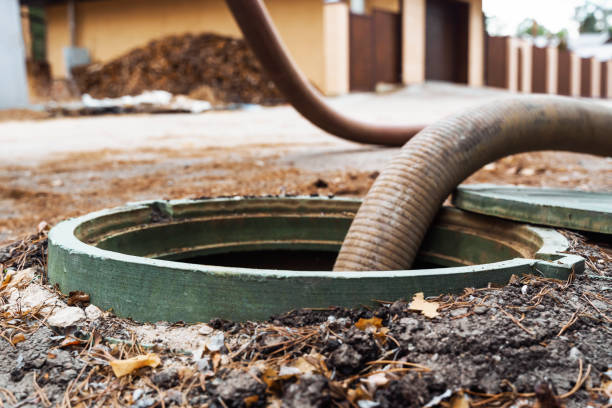
Efficient septic waste removal is a critical aspect of maintaining a healthy and functional septic system. Regular cleanouts not only prevent unpleasant odors and potential health hazards but also extend the lifespan of the system. Understanding the importance of septic system maintenance and the procedures involved in cleanouts can save homeowners from costly repairs and ensure environmental safety.
Understanding Septic System Components
A septic system comprises several key components, each playing a vital role in the treatment and disposal of wastewater. These include:
- Septic Tank: The primary component where waste is initially collected and separated.
- Drainfield: A network of perforated pipes that distribute effluent over a large area for further treatment by soil.
- Soil Absorption Area: The area where the filtered waste is absorbed and naturally treated by soil organisms.
Importance of Regular Septic Tank Pump Outs
Routine septic tank pump out services are essential for the system’s efficiency. Over time, sludge and scum accumulate, reducing the tank’s efficiency in breaking down waste. Regular pumping helps in:
- Preventing overflow and backups
- Reducing the risk of system failure
- Minimizing environmental contamination
Signs Your Septic System Needs a Cleanout
Homeowners should be aware of signs that indicate the need for a septic tank cleanout. These include:
- Slow drains and flushing issues
- Unpleasant odors around the property
- Standing water near the drainfield
Steps Involved in Septic Waste Removal
The process of septic waste removal involves several key steps to ensure thorough cleaning and maintenance:
Inspection
The process begins with a comprehensive inspection to assess the condition of the septic tank and its components. This helps in identifying any potential issues and the extent of waste accumulation.
Pumping
Once inspected, the septic system pumping process involves removing sludge and scum from the tank using specialized equipment. This is crucial for maintaining the tank’s capacity and functionality.
Cleaning and Maintenance
After pumping, the tank and other components are cleaned to remove any residual waste. Regular maintenance checks are also conducted to ensure the system operates efficiently for an extended period.
Benefits of Professional Service
Engaging professional services for residential sewage pumping offers numerous advantages, including:
- Expertise in handling complex systems
- Use of advanced equipment for efficient cleaning
- Comprehensive inspection and maintenance checks
Conclusion
Maintaining a septic system is crucial for both health and environmental reasons. Regular cleanouts and professional inspections ensure that the system remains in optimal condition, minimizing the risk of failures and costly repairs. Homeowners are encouraged to stay informed and proactive in their septic system maintenance to safeguard their property and the surrounding environment.
