
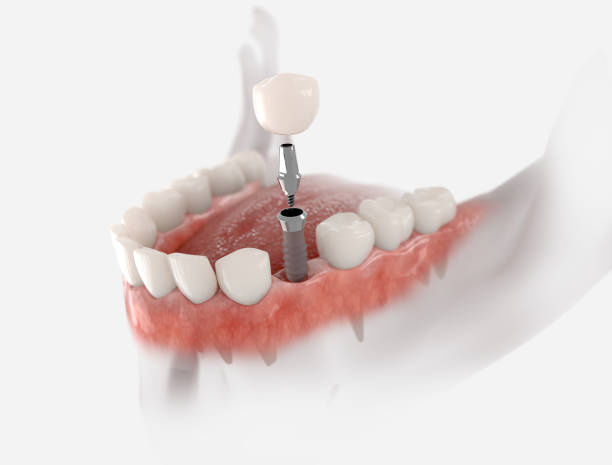
In today’s fast-paced world, maintaining optimal dental health can sometimes be a challenge, especially when unexpected dental emergencies arise. Whether it’s a sudden toothache, a chipped tooth, or a more severe dental injury, having access to convenient emergency dental care is crucial. With a plethora of options available, finding the right provider who can deliver prompt and effective care can make all the difference in alleviating pain and preventing further complications.
Understanding Dental Emergencies
Dental emergencies encompass a range of issues that require immediate attention from a dental professional. These can be broadly categorized into several types:
- Toothache: Severe pain that might indicate an underlying issue such as decay or infection.
- Broken or Chipped Teeth: Can result from trauma, biting hard food, or accidents.
- Lost Fillings or Crowns: Requires prompt replacement to prevent further damage.
- Abscesses: Infections that can cause severe pain and swelling, needing urgent treatment.
- Soft Tissue Injuries: Cuts or injuries to the gums, tongue, or cheeks.
Timely intervention can alleviate pain, minimize complications, and save teeth that might otherwise be irreparably damaged. Find out more about this approach.
Locating Convenient Emergency Dental Services
Finding the right dental care provider during an emergency can be daunting. Here are some strategies to help you locate convenient services:
- Research local dental clinics that offer emergency services and check their reviews and ratings.
- Ensure the clinic has extended hours and is available on weekends and holidays.
- Verify if the dental team has specialized training in handling emergencies effectively.
- Consider clinics that offer flexible payment options to manage unexpected costs.
- Look for facilities that are well-equipped with advanced technology for accurate diagnosis and treatment.
For a comprehensive list of emergency dental services, explore advanced guides and tips.
What to Expect During an Emergency Dental Visit
Initial Assessment
Upon arrival, a thorough assessment will be conducted to determine the extent of the dental emergency. This may involve:
- Reviewing medical and dental history for context.
- Performing a physical examination of the affected area.
- Taking X-rays or other diagnostic images if necessary.
The goal of this assessment is to provide a clear understanding of the issue and to formulate an effective treatment plan.
Treatment Options
Depending on the nature of the emergency, treatment may include:
- Prescribing antibiotics for infections.
- Performing a root canal for severe decay or infection.
- Repairing or placing a temporary crown or filling.
- Extracting a tooth if it’s beyond repair.
Each treatment is tailored to the individual’s needs and is aimed at providing relief and restoring dental health. Learn about our tailored solutions.
Preventing Future Dental Emergencies
While some dental emergencies are unavoidable, many can be prevented with proper care and maintenance:
- Maintain regular dental check-ups to catch potential issues early.
- Adopt a comprehensive oral hygiene routine, including brushing, flossing, and rinsing.
- Wear protective gear during sports or activities that pose a risk to dental health.
- Avoid using teeth for tasks they’re not meant for, such as opening bottles or tearing packages.
For a deeper understanding of preventive measures, discover expert strategies here.
Having a trusted source for emergency dental care can significantly impact one’s overall health and well-being. By understanding the scope of dental emergencies and knowing where to turn for help, individuals can navigate these challenging situations with confidence and ease.
