
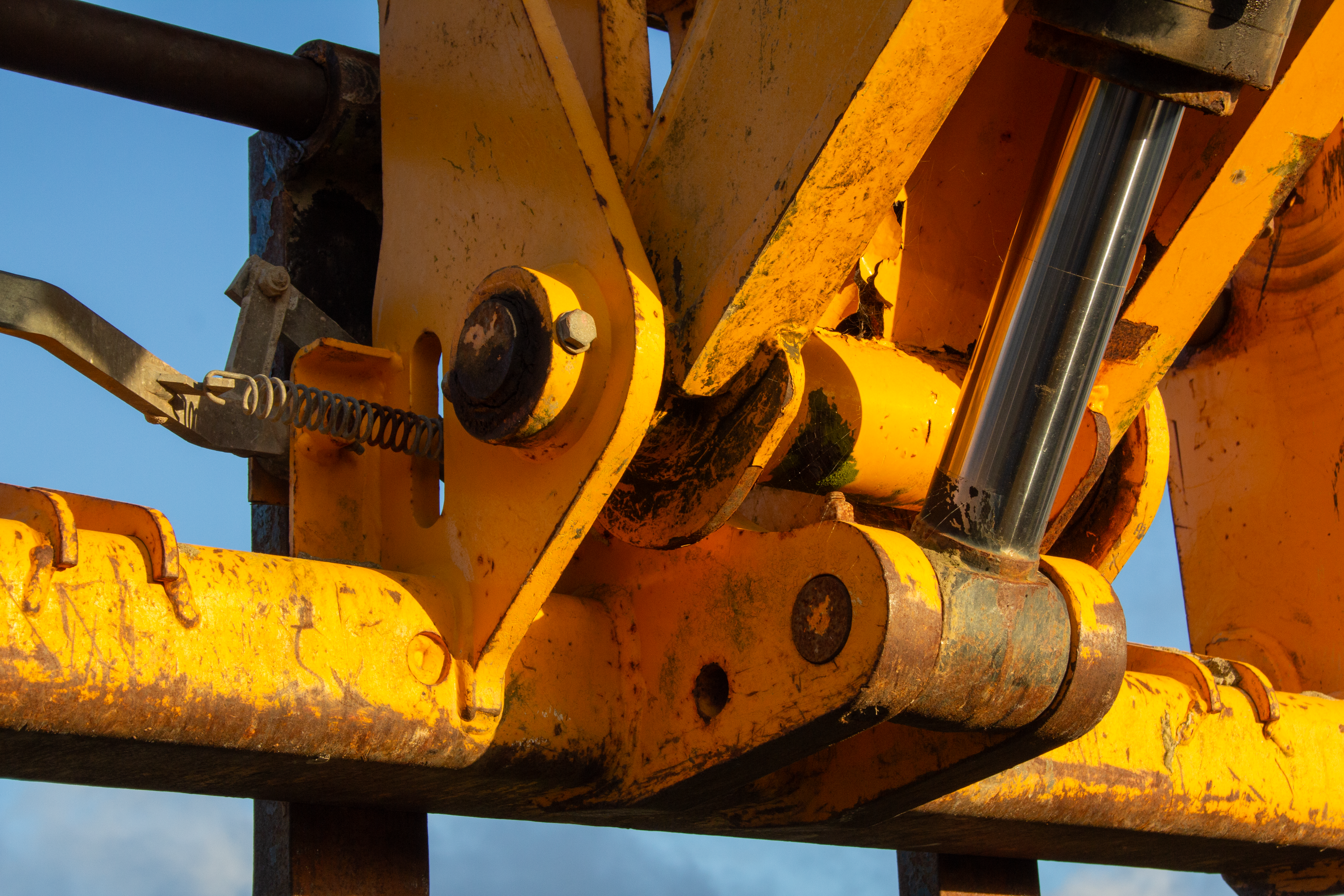
In today”?s fast-paced industrial environment, hydraulic systems are pivotal in powering machinery and equipment across various sectors, from manufacturing to agriculture. Selecting the right hydraulic parts supplier can significantly impact the efficiency and longevity of these systems. This guide aims to assist businesses in choosing a reliable supplier, ensuring they procure the best quality components tailored to their specific needs.
Understanding Hydraulic Parts
Hydraulic systems rely on an array of components to function effectively. Key parts include:
- Pumps: These are the heart of hydraulic systems, converting mechanical energy into hydraulic energy.
- Motors: They convert hydraulic energy back into mechanical energy.
- Valves: Essential for controlling the flow and pressure of hydraulic fluid.
- Cylinders: Actuators that provide linear motion and force.
- Filters: Ensure the cleanliness of the hydraulic fluid, prolonging system life.
Understanding these components is crucial for selecting the right supplier who can provide quality parts and expert advice. For more detailed insights, find out more about this approach.
Criteria for Selecting a Hydraulic Parts Supplier
Quality Assurance
Quality should be the foremost criterion when selecting a supplier. High-quality components ensure reliability and durability, minimizing downtime and maintenance costs. Look for suppliers who offer:
- ISO certification or equivalent quality standards.
- Comprehensive warranties and return policies.
- Partnerships with reputable hydraulic component manufacturers.
To delve deeper into quality assurance strategies, discover expert strategies here.
Technical Expertise and Support
A supplier with extensive technical knowledge provides added value through guidance and support. Consider suppliers who offer:
- Technical consultations and system design services.
- On-site support for installation and troubleshooting.
- Training sessions for maintenance and operation staff.
Explore advanced guides and tips for more information on technical support and solutions.
Product Range and Availability
A diverse product range ensures that you can find the exact parts required for your systems. Suppliers should offer:
- A wide selection of standard and custom hydraulic components.
- Availability of parts from multiple brands and manufacturers.
- Efficient inventory management to reduce lead times.
Learn about our tailored solutions that ensure product availability and range here.
Pricing and Value
While cost is a critical factor, it should not compromise quality or service. Evaluate suppliers who provide:
- Competitive pricing structures with transparent quotes.
- Volume discounts and flexible payment terms.
- Cost-effective solutions that do not sacrifice quality.
For a comprehensive understanding of pricing strategies, explore more here.
Reputation and Reliability
A supplier’s reputation often reflects their reliability and service quality. Conduct due diligence by:
- Checking customer reviews and testimonials.
- Requesting references from existing clients.
- Evaluating their track record in meeting delivery schedules.
To understand more about evaluating supplier reliability, learn about our tailored solutions.
Conclusion
Choosing the right hydraulic parts supplier is a strategic decision that can affect the operational efficiency and longevity of equipment. By focusing on quality assurance, technical expertise, product range, pricing, and supplier reputation, businesses can ensure they are partnering with a supplier that meets their specific needs. For additional information and guidance, explore advanced guides and tips.
